
What is minimally invasive surgery?
Minimally invasive surgery – often called keyhole surgery or laparoscopy – refers to operations performed through very small skin incisions. A camera and fine instruments are inserted through these openings, and the surgeon follows the procedure on a monitor.
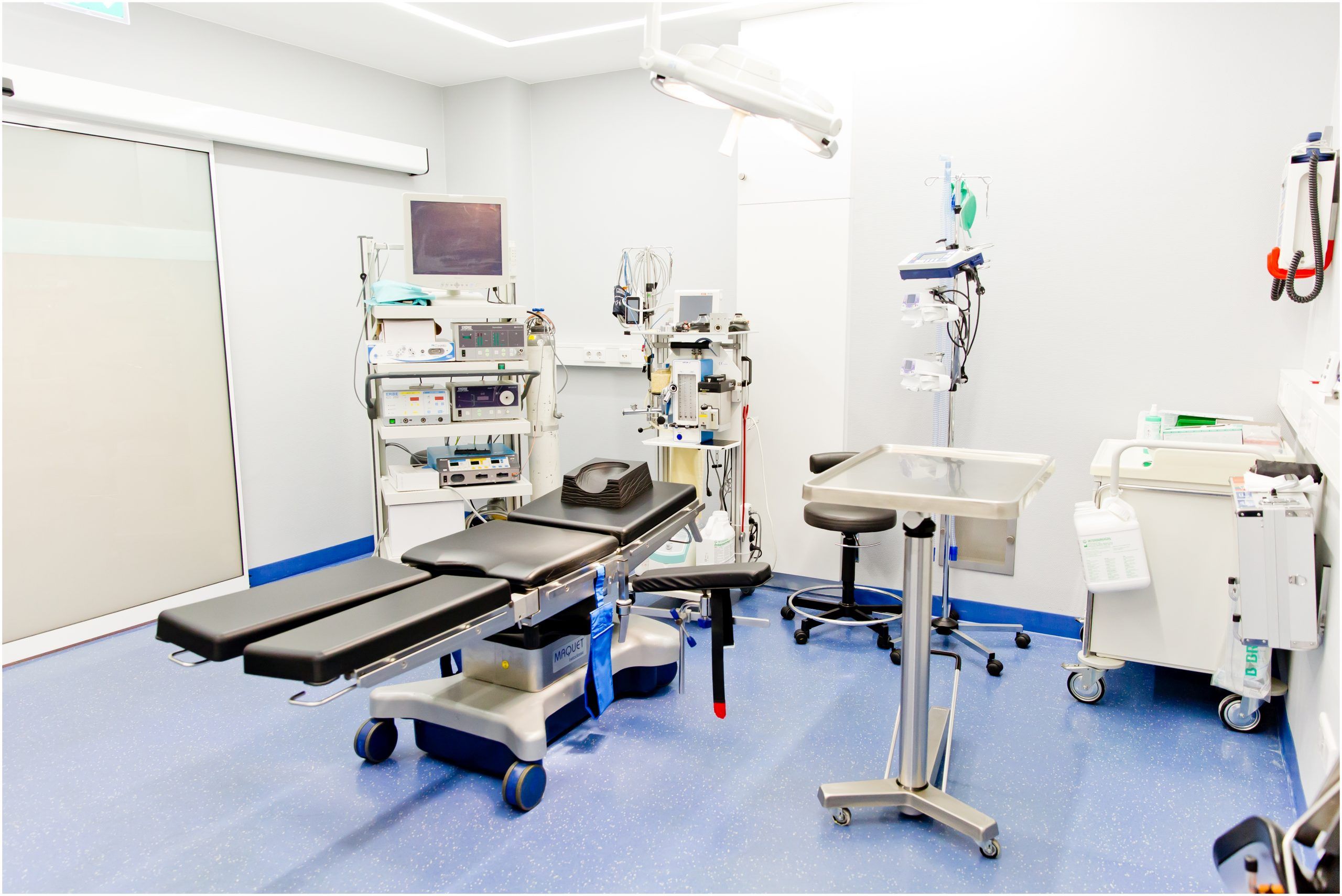
Compared with open surgery, this usually leads to a quicker recovery, less wound pain and a better cosmetic result. Thanks to our modern operating theatre and the many years of hospital experience of Oleg Anissimov and his team, we can also offer these techniques as outpatient surgery.
Hernias: inguinal hernia and abdominal wall hernias
In a hernia, tissue or part of the bowel pushes outwards through a gap in the abdominal wall. A typical sign is a swelling that becomes more noticeable when straining, coughing or standing. We treat inguinal hernias and all other forms of abdominal wall hernia.
Inguinal hernia (Groin hernia)
The most common type of hernia. It appears as a bulge in the groin and can cause a dragging pain. Depending on the findings, we operate either open or minimally invasively. Sudden severe pain and a hard swelling that can no longer be pushed back are an emergency – in that case, please seek medical help immediately.
Umbilical and incisional hernia (Hernia at the navel or at an old scar)
Hernias can also develop at the navel or around old surgical scars. Which technique is appropriate depends on the size and location of the hernia.
Other laparoscopic procedures
Diagnostic laparoscopy (Keyhole examination of the abdomen)
A diagnostic laparoscopy allows conditions inside the abdomen to be seen directly when ultrasound and other tests have not found a clear cause for your symptoms.
Releasing adhesions (Adhesiolysis)
Adhesions in the abdomen, for example after previous operations or inflammation, can cause pain. They can often be released using minimally invasive surgery.